Best Fencing Installer Tips for a Level, Long-Lasting Fencing
A fence is one of those home includes individuals notice in passing, till it starts to lean, space, or shed rails. After that it becomes the initial point everyone points at. The best means to stay clear of that slow-moving slide right into "we need to repair this" is to begin with right stuff that regulates efficiency: website problems, format accuracy, water drainage, and setup fundamentals.
Over the years, I have actually watched staffs do points the simple method, then spend for it later on in callbacks and revamp. I have likewise seen tiny, cautious options during preparation and setting messages that maintain a fence straight and solid for years. The difference is hardly ever dramatic. It is typically in the details.
If you are working with a fence professional, you are searching for the most effective Fence Contractor, Best Fence Company, or Best Fencing Installer who deals with the ground like a genuine design trouble, not a blank canvas. If you are building yourself, the exact same concepts apply. A degree, lasting fence is primarily concerning valuing dirt, water, and measurement.
Start with the ground, not the rails
People love to speak about boards and styles, but the ground makes a decision whether those boards will stand. Prior to any individual establishes a solitary post, you want response to 3 inquiries:
First, what kind of soil are you dealing with? Clay holds form yet can heave in freeze-thaw cycles. Sandy soils drain well however can move around the article if the hole is careless or the backfill is wrong. Rocky ground can be steady, yet it can also avoid you from excavating to a regular depth.
Second, where does water go throughout tornados? A fencing line that silently becomes a drain trench will work out messages, undermine ground, and rot bases. Even if the fencing looks penalty in summer, springtime runoff tells the truth.
Third, what is the quality doing along the line? A fencing that complies with a hillside improperly can end up with extended entrance structures, misaligned pickets, and rails that battle gravity each time the wind pushes them.
When I am reviewing a jobsite for the very best Fencing Builder or Best Fencing Installer to take on, I consider the whole run, not simply the noticeable section. A one-foot drop near the center can be the difference between "straight completely" and "it bowed like a smile by the time we got to the end."
Layout: the part every person rushes, after that regrets
A straight fence line is not practically snapping a chalk string. Great design has to do with regulating the line in both instructions: delegated ideal and down the slope.
A typical blunder is "going after the top" of the ground. If you comply with the ground too very closely, you will certainly wind up with uneven spacing under the rails or you will certainly require frequent rail adjustments to keep everything aesthetically constant. On the other hand, "flattening" without preparation can produce messages that are established as well shallow in one section and too deep in an additional, which causes unequal settlement.
There are three design techniques, and you pick based on the fence style, elevation, and just how much the grade changes.
When the quality adjustments gently, step-down panels frequently look clean. If the incline is substantial and you want a regular top rail line, a continuous "racked" arrangement may be appropriate, yet it calls for cautious measurement so the pickets do not look like they are stepping in a manner in which bothers the eye.
For most residential fences, the very best outcomes occur when the installer intends the layout method prior to excavating. That planning is what divides the Best Fencing Contractor from the crew that "figures it out as we go."
Fence elevation and picket spacing are dimension problems
Even if you select the ideal design approach, you can still shed levelness as a result of inconsistent spacing.
I have seen fencings where every post was established plumb and still looked misaligned. The cause was normally a rail or panel assembly that presumed "standard" spacing but left by a portion at multiple factors. Over a long term, little deviations compound.
If you are utilizing panels, focus on whether the panels are really square and whether the supplier's dimensions match the actual rail design being set up. Panels are useful, however they are not unsusceptible to site variability. If the ground is uneven and the message spacing is compelled to match the panel, you can wind up with stress that appears later on, especially with high fences.
If the fence is site-built, the installer ought to regularly inspect straight railway as they relocate. A rapid team could depend on "eyeballing," however eyeballing is just how you get a fencing that passes evaluation and fails real-world scrutiny from the driveway.
Digging for messages: depth, size, and consistency
The posts are the structure. If they are set at inconsistent midsts or in sloppy openings, the fencing will certainly settle in different ways section by section.
In several environments, deepness must be driven by neighborhood frost factors to consider and the supplier's advice. As a rule of thumb, installers commonly go deeper in chillier regions. Yet there is additionally the practical side: you require the hole to reach qualified dirt. In locations with topsoil that hangs or organic, digging deeper matters greater than striking a solitary number.
Diameter issues, too. A hole that is too slim leaves less room for proper backfill positioning and compaction. A hole that is too broad can result in spaces and inadequate bearing unless the installer thoroughly manages the backfill.
Consistency is what maintains the fence level. If one article is set in firm material and another sits in softer fill since the excavating was hurried, the fencing will likely shift as soil problems work out after rain.
The Best Fence Installer I have actually dealt with deals with hole preparation like it belongs to the architectural system. They examine alignment prior to the hole is completed, not after.
Setting messages plumb: the approach matters more than the tool
Plumb is non-negotiable. A post can be "close adequate" throughout installment and still drift when the wind and backfill work out. So the concern comes to be: exactly how is the message kept plumb while the hole is being backfilled?
Common approaches consist of braces, short-term cross members, and water-based dimension checks. What issues is that the installer secures the message right into setting, after that backfills in a regulated way so the message does stagnate as the product compacts.
Backfill is one more factor individuals avoid. If you dispose material and touch it gently, you can develop air pockets. Those pockets loaded with water later, and water is the opponent of stable footing.
The best crews backfill in lifts, compacting effectively to decrease voids. They likewise keep drainage in mind. You do not desire water sitting in the base location for long periods. At the same time, you do not want to produce networks that move water straight toward the post.
If you are talking to a Best Fencing Company, inquire about exactly how they handle backfill and just how they prevent message movement. The response will inform you whether you are managing a thoughtful team or simply a fast one.
Concrete vs. No-concrete: select based on dirt and water
People obtain stuck on the concrete debate. The truth is much less ideological and much more situational.
Concrete can include stability in certain soils, yet it can likewise trap water around the blog post if not detailed well. In some conditions, message collection without concrete but with properly compacted crushed rock or dirt backfill can drain much better and perform well.
The right approach relies on regional problems and the fence type. Timber articles, steel articles, and plastic blog posts do not constantly behave similarly around moisture. Your fence system also affects the choice, specifically if you are making use of message caps, sleeves, or special hardware.
If the installer is clear about their method and connections it to drainage, they are believing like contractors. If they urge there is only one way regardless of the website, I would certainly be cautious.
Use the right hardware for the fencing type and exposure
Hardware may appear like an "device" detail, however it is a huge deal for long-lasting performance.
Outdoor settings bring corrosion, especially with particular fasteners. If you are in a coastal location, salt air quicken wear and tear. Even inland, high moisture and lawn sprinklers can maintain bolts damp longer than you would certainly expect.
A degree fence is also a well-aligned equipment issue. If braces are installed at slightly different heights or rail runs shift, the fence can look uneven despite having plumb posts.
Look for installers that make use of the proper fastener type and spacing for the product. For example, pressure-treated lumber still needs treatment with contact points, and cedar requires suitable screws or nails that do not cause premature splitting or deterioration staining.
This is one reason I trust companies that have consistent staffs. The Most Effective Fence Builder is not just choosing materials, they are mounting them with repeatable technique.
Rail placement: keep it directly through the whole run
Rails are where visual straightness is either won or shed. Also if the articles are plumb, rails can head out of positioning if they are set up without a regulated reference line.
An excellent installer establishes a reference, then checks rail levels and spacing continuously. They do not think that because the first few articles look good, the rest will automatically match. Ground variations hide till you start determining across the run.
Also look for just how they deal with changes. The end messages and gate messages experience different loads than line messages. If the installer sets gateway equipment without audit for the structure's activity and the fencing's clearing up prospective, gateways can bind and rails can pull.
You want the installer to prepare gateway positioning early, confirm clearance, and develop the shift like it will be stressed, since it will.
Drainage information: the "invisible" job that conserves the fence
If you eliminate all the boards and take a look at the base problems, you can usually forecast fencing life expectancy. Water and soil movement drive rot, corrosion, and leaning.
Common water drainage concerns include:
- Low areas along the line that end up being water collection points
- Soil that allows water to sit at the article base for long periods
- Vegetation that holds moisture against the fence
- Downspouts or lawn sprinkler overspray targeted at the fence line
The finest installers consider the fencing and the yard as one system. They will certainly usually recommend rating small changes, adjusting sprinkler patterns, or extending water drainage far from risky blog post locations.
You do not require major landscaping whenever. Occasionally it is as simple as fixing a slope by a couple of inches or ensuring water can leave the fencing line as opposed to merging at it.
Materials choice impacts levelness and maintenance
Even with ideal installation, some products move greater than others. Timber swells and reduces with wetness adjustments. Steel can broaden and acquire with temperature level. Plastic is steady yet can worry if hardware is not set up with appropriate tolerances.
The most durable fencings handle activity instead of fighting it. That implies utilizing the appropriate attachment techniques that permit seasonal changes where needed, and building with consistent spacing so panels do not rack under load.
If you are picking in between pressure-treated timber, cedar, composite, light weight aluminum, or vinyl, your local climate issues. If you have freeze-thaw cycles, you desire a system that can manage dirt movement without transferring stress into breakable components.
A reliable Best Fence Company will talk about maintenance truths. They may recommend periodic evaluations, cleaning timetables for plastic, or examining hardware after major tornados. The straightforward discussion helps you allocate the fencing's lasting care rather than marveling later.
Weather and timing: construct for the conditions you have
People timetable fence work based on accessibility, however timing matters.
If you set up in a storm-heavy duration, the ground can be saturated. That impacts compaction and post stability. If you set posts when the soil is as well wet, it can drop as it dries. That slumping is subtle in the beginning, after that obvious as months pass.
If you install in severe warm, some installers hurry concrete or backfill choices. Development and evaporation can change just how materials behave, and it can also affect crew performance and accuracy.
The ideal outcomes usually come when the installer can function cleanly, step precisely, and let blog post set materials carry out under reasonable conditions.
A short installer checklist you can really use
If you are fulfilling a team or evaluating a quote, this is the sort of discussion that discloses how specialist the job will be. The objective is not to interrogate, it is to validate process.
- They describe the intended layout technique for your slope, including how they will maintain the top and rails looking regular
- They show how they will certainly ensure messages are plumb and secure throughout backfill
- They define the backfill technique, consisting of whether they compact in lifts and exactly how they manage drainage
- They confirm footing depth assumptions based upon soil and neighborhood problems, not just a solitary hunch
- They speak about materials and hardware options for your exposure level and upkeep tolerance
If a Best Fencing Installer can not respond to these points clearly, you could still get a fence that looks penalty on day one. Yet you are taking the gamble that the ground will cooperate.
Common troubles and just how the most effective crews protect against them
A level fencing is not just "constructed as soon as." It is constructed to survive the next couple of years of wind, rain, and backyard activity.
Posts leaning after installation
This typically originates from poor bracing throughout established, inadequate compaction, or holes explored soft material without reaching secure soil. It can likewise occur when fencing panels are set up as well rigidly for the website and stress and anxiety changes messages over time.
Professional crews reduce this by regulating plumb throughout set, compacting extensively, and preparing bracing before the put or backfill begins.
Rails that look wavy
Wavy rails are normally layout referral failing, inconsistent rail setup, or rail span that enables activity between line articles. If post spacing is inconsistent, rail alignment will certainly also be inconsistent.
Good contractors establish a consistent referral line and confirm at numerous points along the run.
Gate sag and misalignment
Gate hardware is sensitive to upload depth and plumb. A little blog post change at eviction can turn smooth operation right into massaging, after that binding.
The best technique is to deal with entrance posts like structural aspects, not like normal line posts. They commonly obtain added supporting, additional focus to footing, and hardware positioning that prepares for movement.
Rot at post bases
Rot begins where dampness and get in touch with build up. Also treated lumber can fall short when water stays trapped. Plastic sleeves and various other designs can assist, but they do not replace good drainage and correct detailing.
Installers that examine drainage and prepare for water motion normally stop rot far better than any individual depending on "treated products."
Comparing fence designs for slope tolerance (and why level matters)
Some designs conceal blemishes far better than others. That does not mean you must neglect proper arrangement, but it does assist you recognize what will look appropriate when the site is not flawlessly flat.
Here is a functional comparison based on exactly how fences aesthetically reply to quality modifications:
|Fencing kind|Aesthetic uniformity on inclines|Regular risk if installed thoughtlessly||-- |-- |--|| Picket fencings with spaced pickets|Usually forgiving, due to the fact that voids decrease "line continuity"|Picket placement drift that turns up when watched from one side|| Shadowbox style|Looks fantastic on moderate inclines if panels are stepped correctly|Rail elevation incongruities that produce an uneven silhouette|| Panelized privacy fencings|Can look perfectly consistent Check out the post right here if messages are perfectly planned|Panel binding and unequal tops when quality adjustments are managed inadequately|| Louvered styles (where relevant)|Usually smooth visually yet depends upon precise spacing|Hardware placement problems that bring about racking with time|
Choosing a design is part preference, part useful restraints. The Most Effective Fence Builder will certainly steer you toward the design that fits your incline and upkeep preferences, not simply what is most popular in a showroom.
Questions to ask prior to you sign with any "Ideal" company
You will see a lot of ads. Lots of firms declare they are the Best Fencing Contractor or Best Fencing Company. The better move is to ask questions that force them to demonstrate how they work.
How do they take care of an adjustment in quality, do they tip panels, rack areas, or reconfigure message heights. Do they show you dimension points, and will they describe the visual strategy, not simply the structural plan.
Ask what they do to shield mounted sections throughout tornados. Ask just how they handle product replacements if something is out of supply. A trusted team anticipates these concerns and keeps the fencing lined up via the build, as opposed to improvising after the fact.
When you get the answer that appear particular, the installer is probably experienced. When responses audio unclear, it usually means the crew will rely on rate instead of control.
What "level" truly suggests in the field
People often ask for a fencing that is perfectly degree, yet real great deals seldom cooperate. "Level" depends on how you define it and what look you want.
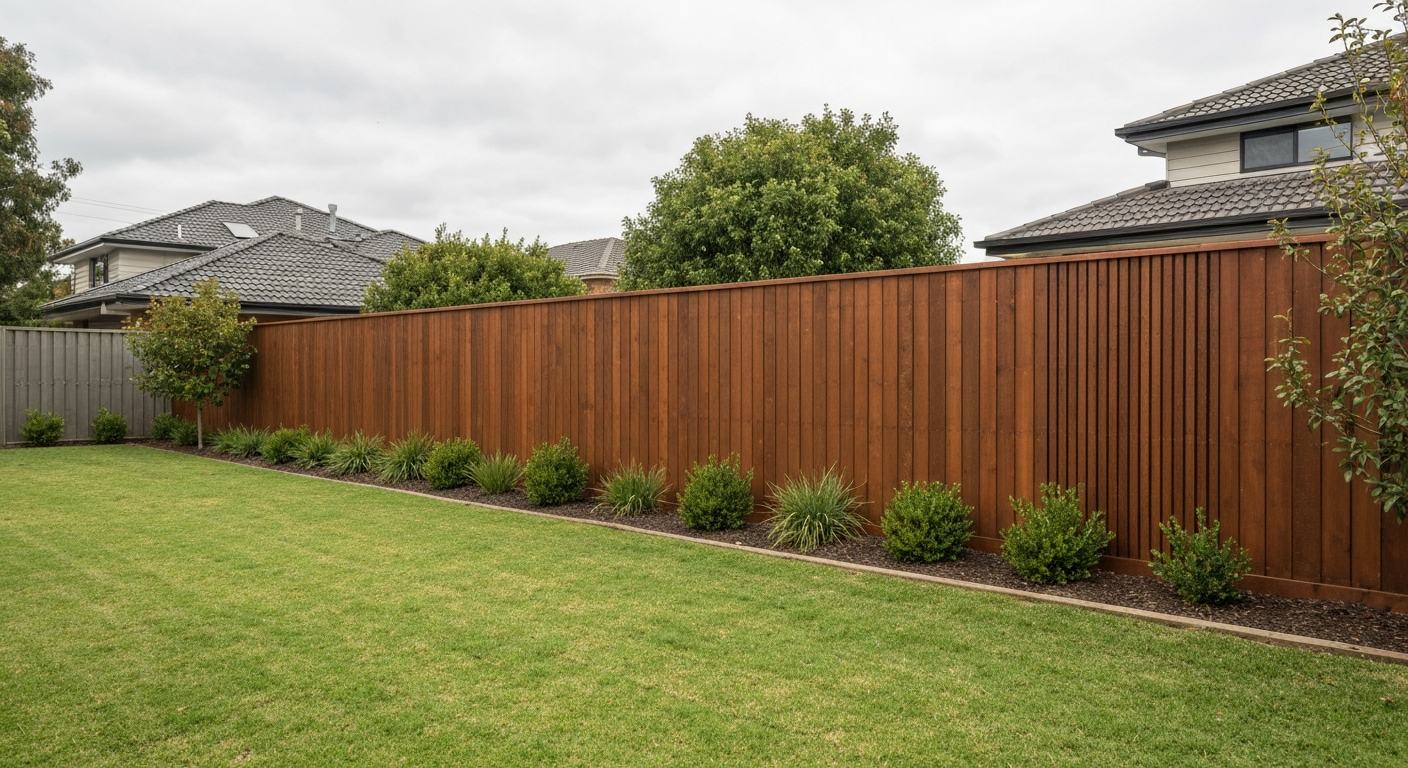
An absolutely level leading rail suggests the panels may tip down about the ground. A fencing that adheres to quality snugly might look level when viewed from the road but not from the backyard. For lasting, clean outcomes, the majority of homeowners prefer a regular aesthetic line, also if the ground beneath varies.
The best fence job respects both physics and appearance. It prepares for the quality and selects a technique that keeps the fence straight to the eye while staying structurally stable under load.
A short real-world note regarding craftsmanship
One of one of the most rewarding fences I have actually watched obtain constructed was on a mild incline with clay-heavy soil. The crew did not attempt to require a "one height fits all" strategy. They measured, laid out the tipping method early, and set posts with correct bracing.
What stood out was their patience with the base. They really did not treat the holes as interchangeable. When an article landed in a little softer material, they changed by going much deeper till the dirt was experienced. After that, the backfill was jam-packed very carefully. The rails complied with, constant across the run.
A year later on, the fencing appeared like it did on day one, except for the normal wear and tear of timber. That is the type of end result you obtain when a Best Fencing Builder or Best Fencing Contractors team builds with the ground in mind.
Final thoughts: the difference between a fast install and a durable fence
A degree, resilient fence is not a mystery. It is predictable when the installer manages the basics: format, footing problems, message stability, rail alignment, and drainage.
If you are choosing in between quotes, do not just compare cost per foot. Contrast procedure. Ask how the staff makes certain plumb, what they perform with backfill, how they prepare for inclines, and just how they consider water.
The fencing will outlast most other exterior jobs. Treat the installation like the architectural job it actually is. That is just how you end up with a fencing that remains straight, withstands weather, and does not maintain calling you back with tiny troubles that grow into expensive ones.
If you want, tell me your fence material, approximate length, height, and whether your line has a recognizable slope. I can recommend one of the most likely best technique for keeping it degree and steady based upon those details.