Best Fencing Builders: Specialist Strategies for Strong Joins
A fencing is just comparable to its joints. You can purchase straight lumber and picket tops with excellent spacing, however if the connections loosen, split, or pull out, the whole system begins to guide. That's when a "nice-looking fencing" becomes a long-term maintenance work, and it's exactly what divides the best fencing builders from the staff that just turns up with fasteners and hope.
When house owners request the very best fence contractor or the most effective fencing company, they're usually thinking about the noticeable parts: the design, the surface, the height, the price. Those issue. Yet the actual sturdiness comes from just how the fence is mounted and exactly how the signs up with are managed around articles, rails, and inflection points like edges and gates.
In the years I've invested seeing fencings go in, come back for fixings, and age through rain, wind, and freeze-thaw cycles, the pattern corresponds. Solid fences are developed like frameworks, not like attractive panels. The joinery is prepared, after that performed with care and the best equipment for the job.
What "strong joins" in fact implies in fencing building
People speak about fence posts as if they're the major framework, and they are, but the sign up with toughness is a system. A regular domestic fencing has several load paths:
- Wind presses on the pickets, which transfer force into rails.
- Rails push into articles through brackets, bolts, or through-joined members.
- Posts distribute tons right into the ground.
- At edges and gateway openings, those pressures reroute, which produces stress and anxiety concentrations.
If any one link is sloppy, the entire fencing compensates. You might not see it in the beginning, but give it a season and you'll see the signs: voids at edges, bumpy rails, drooping gates, and messages that slowly turn in the soil.
Professional fencing home builders treat joints as the locations that are worthy of one of the most attention. That means correct message spacing, correct message deepness, cautious progressing and positioning, and equipment set up in a way that stands up to both pull-out and shear. It additionally implies recognizing how wood behaves, just how metal increases, and how bolts fall short when they're driven wrong.
Start with the post-to-ground plan, not the lumber pile
The most costly mistake I see is teams that construct the "pretty" part initially and treat the ground as an afterthought. A solid join relies on steady assistance. If the blog post can move also slightly, the most effective rail braces in the world will at some point loosen.
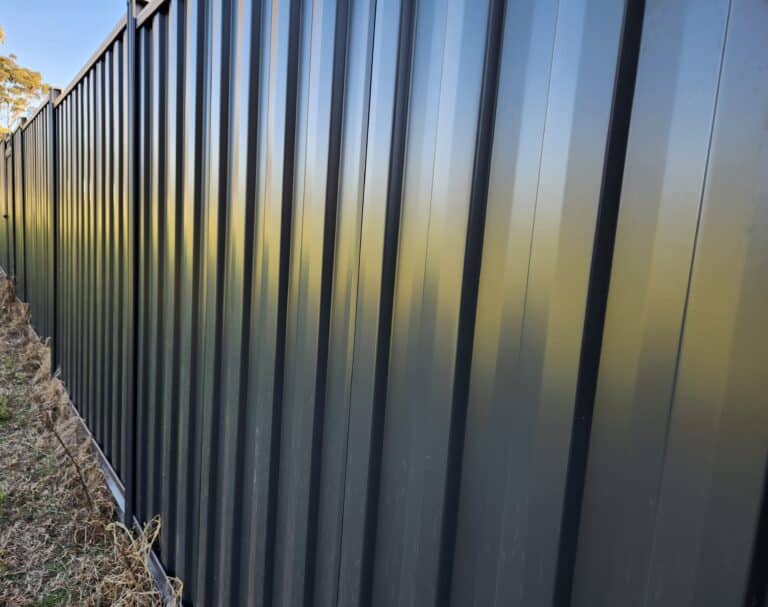
An expert installer will choose message depth based upon regional conditions and fencing elevation. In several locations, a typical rule of thumb for fence is deeper than laid-back DIYers anticipate, and it frequently lands in the series of about a third of the message size below quality for regular installations. Yet depth alone is not the entire story. Soil kind matters. Frost depth matters. Drainage matters. If you're on hefty clay or a wet, low spot, a blog post can raise and resolve even if the framing looks tight.
The join right here is not just wood-to-metal. It's additionally wood-to-structure via the ground. That's why trustworthy Best Fencing Installers and Best Fence Installers usually speak about intending the base, not simply selecting rails and pickets.
One little detail I have actually watched pay off: when messages are established, the crew checks upright placement at multiple factors prior to the setting material cures. If the blog post leans one means at the base and straightens by the time it gets to rail elevation, that develops internal stress in rails and pickets. With time, the link fights itself.
Post size, spacing, and placement: where "strong" begins
You can not miss dimensional logic and still call it strong. Rail covers, picket format, and article spacing are looped. If articles are as well far apart for the fence elevation, the rails will certainly flex. Bending pulls fasteners and anxieties braces, and that causes loosening at the worst possible location.
When I'm reviewing a fence construct, I look for indications that the installer matched article spacing to panel loading. A fence that's "standard height" however makes use of bigger openings between posts frequently winds up with a visibly looser feeling when you push lightly on the rails.
Alignment is one more join problem. A fence line that's somewhat out of square makes edges and gate openings work tougher than they should. Gateway hardware relies on constant geometry. If you're building a gateway right into a line that's currently skewed, the gate will certainly rack, which twists rails and pulls at joints. That's how you wind up with a hinge that seems fine in the beginning and afterwards begins binding after the initial period of damp weather.
Professional groups maintain examining levels and diagonals as they advance, not just at the start. They also take time to set string lines that guide blog post positioning, so the sign up with locations land exactly where the mounting demands them.
Rails and braces: the difference in between fast and tight
A great deal of fences use rails to create rigidity, and rails link to blog posts through hardware or direct attachment. The link needs to resist two pressures concurrently: shear (sliding tendency) and pull-out (withdrawal tendency).
Here's where judgment appears. Some installers rely on one securing strategy because it's quick. Quick can work in ideal conditions, yet fences rarely experience suitable conditions. If you're in an area with hefty wind gusts or driving rainfall, or if the timber is getting wet continuously, links require more thought.
Professional join behaviors I have actually seen that stand up well over time consist of:
- Using corrosion-resistant hardware suited to pressure-treated lumber and outside exposure.
- Installing braces with adequate bolts to disperse load.
- Pre-drilling where needed to prevent splitting and to maintain bolts straight.
- Offsetting or shocking bolts so they do not line up with end grain weaknesses.
When you hear home owners request for the very best fencing contractor, this is the sort of invisible craft that separates "great from wonderful." The most effective fencing builder doesn't deal with brackets like ornamental fittings. They treat them like structural connectors.
Wood-to-wood signs up with: where split danger and moisture meet
Some fencings utilize direct rail-to-wood links, others depend on steel hardware, and some use hybrid strategies. Either way, timber joints need to handle moisture cycling.
Wood expands and contracts across grain with moisture changes. End grain is more at risk than face grain, and it's where you often see failing if screws or nails are driven as well close to edges or right into badly prepared areas. Splitting develops a crack, and a crack turns a tight link right into a loose one.
One practical strategy professionals utilize is to respect the distinction between fastening into face grain and fastening into end grain. When fastening right into end grain, it generally takes even more mindful positioning, often pre-drilling, and bolts sized and picked for exterior conditions.
If you're developing or repairing a fencing, you can learn a lot just by inspecting older joints. Search for screw heads that have actually pulled through, for rails with small separations at the article, and for nail patterns where the wood split enough to deteriorate the hold. Those are hints concerning the joinery technique used originally.
Metal adapters and equipment placement: little angles, large consequences
Hardware is often the making a decision aspect on whether a fence remains limited as periods roll by. Metal brackets, posts caps, and gateway hinges all introduce various failing modes contrasted award winning fence company to wood-only joints.
One typical failing I've seen is wrong equipment alignment. If a bracket is mounted somewhat cocked, the rail sits in a forced setting. That could really feel "secure" at install time, yet it includes anxiety to the bolts and can develop a gradual rotation around the screw line.
Another concern is bolt option. Outside fencings stay in an aggressive atmosphere: rain, ultraviolet direct exposure, and temperature swings that can stress equipment and timber at the exact same time. That's why respectable Best Fencing Company groups concentrate on corrosion resistance and appropriate compatibility with treated lumber. Also when a bracket itself is good, the incorrect screws can corrode fast sufficient to loosen up the entire assembly.
If you're comparing Best Fence Builders to generic crews, don't simply ask what material they use. Ask what equipment grade and finish they prepare to make use of, and whether they're mounting for outside long life, not simply a clean finish.
Corners and gate openings: the joints that should have additional reinforcement
Corners and gates are where fences frequently stop working first. The forces change instructions. Bed rails need to line up in a different way. Gate openings focus tons because eviction is a moving panel, not a repaired one.
A solid specialist approach treats corners as structural frames, not as places to "make it function." That implies making use of strengthened join approaches, making sure the article spacing still matches the rail system, and checking that the edge geometry is true.
At gateways, sign up with strategy issues even more. An entrance's hinges require secure installing and consistent message positioning. If the article is slightly off upright or if the gate frame is out of square, the joints and lock equipment take extra stress. With time, this appears as hinge helping to loosen, entrance droop, and rails that begin to retreat from connectors.
In gate installs, I've seen the best fencing installers invest additional minutes gauging across diagonals, not simply adjusting after the fact. They likewise guarantee that eviction frame members are secured so eviction panel does not rack under wind loads. A gateway that does not rack is a gate that maintains its joints tight.
Weatherproofing at joints: protecting against "slow creep" damage
Even when joints are strong at set up time, moisture can progressively threaten them. Wood soaks up water. Water motivates deterioration on equipment if the hardware is borderline. It likewise swells and shrinks wood, loosening connections incrementally.
Professional teams manage this with several small actions. They could apply suitable securing where ends are revealed, utilize message caps to decrease water intrusion on top of posts, and ensure that bolts are positioned so water doesn't being in a pocket around the connector.
One compromise worth recognizing: some sealants can complicate later on fixings. If you seal everything also boldy or utilize an item that traps dampness, you may enhance early durability but produce a maintenance migraine later on. The best building contractors select weatherproofing that secures without locking you out of future adjustments.
If you're preparing for long-lasting longevity, the objective is consistent, dry performance at the sign up with. The very best fence company method treats the sign up with as the primary target for security, not just the last coat.
The "fast mount" problem: why rate commonly compromises joints
You can recognize a hurried develop by the warning patterns. Rapid staffs commonly:
- Drive fasteners without examining alignment.
- Skip pre-drilling when splitting threat is high.
- Land braces without verifying the rail height relative to string lines.
- Hammer the edge blog posts right into place without confirming square.
Those faster ways add up. A link might look fine immediately, but if the brace is somewhat misaligned, the rail will slowly "stroll" under tons. If screws divided face grain, the rail end can loosen although the screw still looks seated.
This is why homeowners who want the best fence contractor need to not relate speed with success. Excellent fence home builders build progressively, and they keep inspecting fit and placement prior to tightening everything down.
A brief area anecdote: the loose edge that kept coming back
A couple of years earlier, I watched a repair team appeared to a corner that had begun to separate after regarding a year. From throughout the lawn, the void looked small, a few millimeters at most. But the impact undecided line was visible. Eviction lock started missing its catch slightly after wind gusts.
When the staff opened the rail at the edge, the pattern was clear. The bracket had been installed in a position that required the rail to rest under mild stress. It was just somewhat misaligned, yet that was all it took. The timber flexed with dampness adjustments and wind. The bolts backed out slowly. As soon as the corner shed rigidity, the fence line ended up being a series of weaker spans, and eviction started bearing the strain.
The solution was not complicated, yet it required the best sequencing. They remedied the placement, replaced the jeopardized port fasteners, and tightened up the join with hardware positioning that permitted the rail to rest normally, without forced pressure. The fence quit relocating at that edge. No new sealant magic, no extra paint. The joints merely went back to their designed geometry.
That's the theme behind sturdy builds: joints last when they are installed in a state that does not battle the material.
What to ask when hiring the best fencing builder
Most property owners don't need to end up being joinery engineers, but you do desire enough information to examine whether a business thinks like one. A strong installer will certainly address without dodging.
Here's a short collection of questions I recommend maintaining helpful https://www.atoallinks.com/2026/the-best-fencing-companies-in-melbourne-reviewed-and-ranked-2026/ when you're comparing Best Fencing Contractors, Best Fencing Companies, and Best Fence Builders:
- How do you figure out post depth and spacing for my height and neighborhood dirt conditions?
- What equipment kind and rust security do you make use of for exterior exposure?
- Do you pre-drill to avoid splitting, and how do you deal with bolt positioning near edges?
- How do you keep rails aligned across a long term, and how do you examine edges and diagonals?
- What is your technique for gates, so they do not rack and loosen up at joints over time?
If the answers are vague, or if the conversation remains only on appearance and rate, that's a red flag. You can still find a cost effective home builder, but longevity requires specifics.
Common join failures, and why they happen
Even when a fencing is constructed by capable individuals, failings can appear under particular conditions. The key is understanding what to look for after mount and what patterns suggest an underlying sign up with problem.
Here are 5 failing triggers that repeat across lots of fixings I've seen:
- Fasteners mounted as well close to edges, bring about splitting and progressive loosening.
- Brackets mounted misaligned, so rails are under constant stress.
- Posts established without ample focus to depth, compaction, or drain, triggering rotation or movement.
- Hardware rust from incompatible products, fastener coatings, or treatment exposure.
- Gates and corners developed without regular geometry, bring about racking pressures on the joins.
If you observe any of these very early, it's generally much better to resolve them quicker. A tiny alignment improvement can prevent a waterfall of looseness that spreads across multiple rails.
Maintenance that secures joints without destroying the build
A strong joint minimizes upkeep. It does not remove it. Weather will still examine the fence, and equipment can need tightening up over years, especially in areas with high wind or repeated freeze-thaw.
Maintenance that helps has a tendency to focus on the join points: tighten up easily accessible hardware, look for very early splitting up at rails and edges, and examine gates after tornados. If an article cap is missing out on or a corner shows unusual motion, those are hints the joint system needs attention.
One trade-off to keep in mind: over-coating or sealing the incorrect locations can catch wetness. If you intend to discolor or secure, comply with the item assistance for the certain materials you have, and do not apply heavy finishes in manner ins which protect against drain around hardware.
A professional building contractor might offer a suggested upkeep technique for your specific fencing kind, which is frequently more useful than common advice.
How to inform a fencing will remain tight by taking a look at the build quality
You don't require to determine every little thing with a level, but you can spot numerous indications that correlate with join strength.
A strong fencing normally has constant rail height, balanced spacing, and articles that look right along the run. The joints themselves commonly show tidy fastener positioning without splitting and without voids at connectors. On gates, pivots feel solid, and the lock align smoothly without calling for force.
Also take note of just how the team manages sides and cuts. End grain that's left unsafe can tackle water. If you see lots of revealed ends at sign up with locations with no protective approach in all, it increases the probability of early wear at joints.
The best fencing builders deal with these details like they matter, due to the fact that they do.
Choosing between options without obtaining entraped by the word "best"
Customers frequently request the most effective fencing contractor as if "best" is a solitary category. In reality, the ideal selection relies on your fence style, your website conditions, your resistance for upkeep, and your timeline.
A more long lasting join system might set you back even more up front because of much better hardware, even more careful alignment, and in some cases additional reinforcement at corners and gates. Yet that price can be worth it when you consider just how fixings spread. Dealing with one loosened corner can include several rail sections, because once joints loosen, the fencing sheds stiffness and transfers activity to adjacent members.
If you are contrasting numerous quotes, focus on join-related information. Ask just how each choice manages message support, rail-to-post connections, and edge and gate support. Contrast equipment selections and fastener positioning techniques. A quote that appears more affordable since it doesn't specify those things can be cheaper only up until the very first wave of motion appears.
Strong joints, solid lasting value
The real benefit of expert fence job is not that it looks good in week one. It's that the joints are constructed to remain real via wind, rainfall, and seasonal timber movement.
When you employ Best Fencing Installer groups or Best Fence Contractors that understand the mechanics of joins, you usually obtain fewer shocks later. Corners hold. Gates stop drooping as rapidly. Bed rails do not start to wave. And if something does need adjustment, the system is built to be serviceable as opposed to completely compromised.
If your goal is a fence that holds its shape and keeps its links tight, deal with joints as the main event. The best fencing company experience is not just in the coating, it remains in how every rail meets every article and exactly how those connections are mounted to resist both time and weather.